Timeline: Oct – Nov 2023
Board Presentation: Nov 30, 2023
The Textile Museum of Canada approached the iSchool's students with a Pro Bono Project: Improve our Website's Information Architecture. Every student team reached the same conclusion: redesign the information architecture and implement it inside a new Mega Menu. My Team and I didn't stop there.
The Textile Museum asked our iSchool UXD cohort to "fix their information architecture".
This was a project for an Information Architecture course where we presented IA solutions to the Textile Museum of Canada's CEO and Board members.
The website needed to be better: ticket sales, donations, and archived events were difficult to find; post-pandemic programming wasn't getting the visibility it deserved.
We used the same research methods but questioned the implementation assumption.
Like other groups, we conducted card sorting and tree testing with new users to develop and validate our IA.
Our tree testing validated the new IA in a controlled environment. But would it perform the same way when implemented? Research validation doesn't guarantee real-world success when you change two variables (UI and IA) at once.
From our Data: Only 30% of users located the Collection Gallery on the current menu.
From our Data: Card sorting participants created 4–10 categories, showing no natural consensus on existing content organization.
Everyone delivered the same recommendation: "Here's our new IA, implement it in a Mega Menu." We acknowledged during stakeholder presentations the gap between research validation and implementation risk.
Instead, we designed a phased roadmap from a stakeholder perspective.
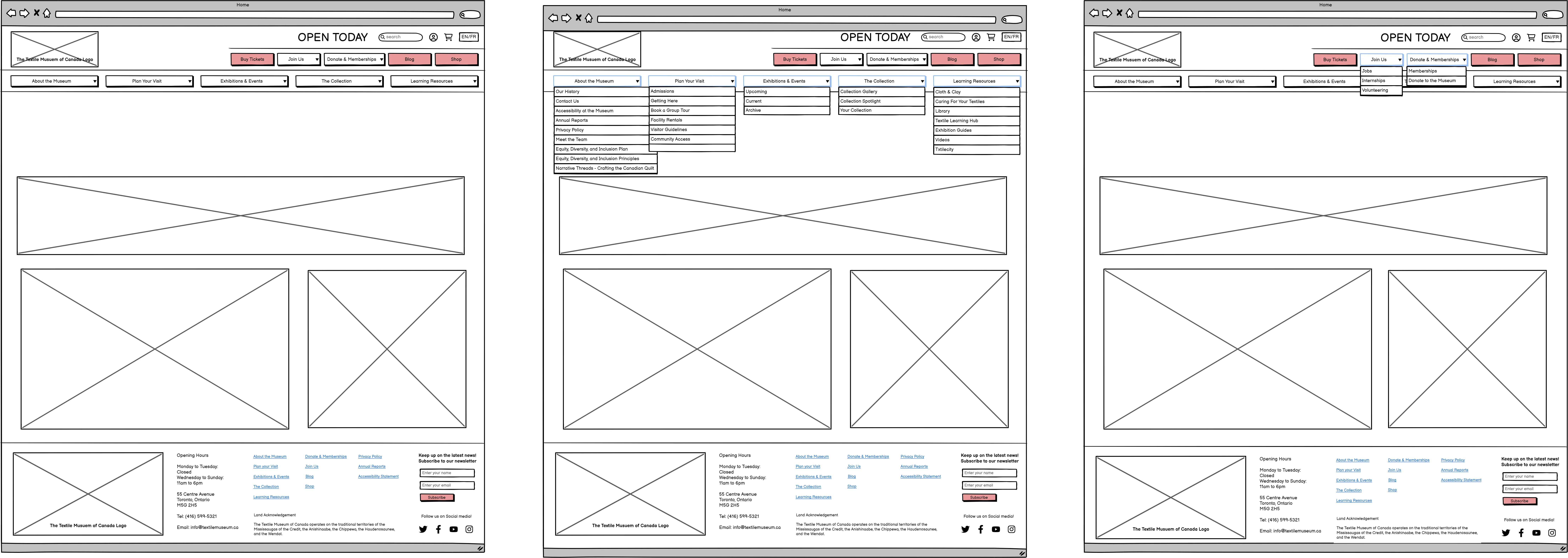
Phase A (Validation): Implement new IA within existing menu design. This tests whether our research-backed structure improves navigation.
Phase B (Optimization): Once IA demonstrates measurable improvement in user metrics, roll out the Mega Menu UI enhancement.
The stakeholder benefit was that this reduced risk and cost while enabling clear attribution and flexible, data-driven iteration before committing to full development.
We restructured the menu hierarchy based on user mental models.
Based on card sorting and tree testing data, we redesigned category labels and groupings. Specific changes included refining labels, restructuring navigation to match user mental models, and adding clear calls-to-action to improve task clarity and conversion paths.
.webp)
Click on the image to scroll through the menu in action.
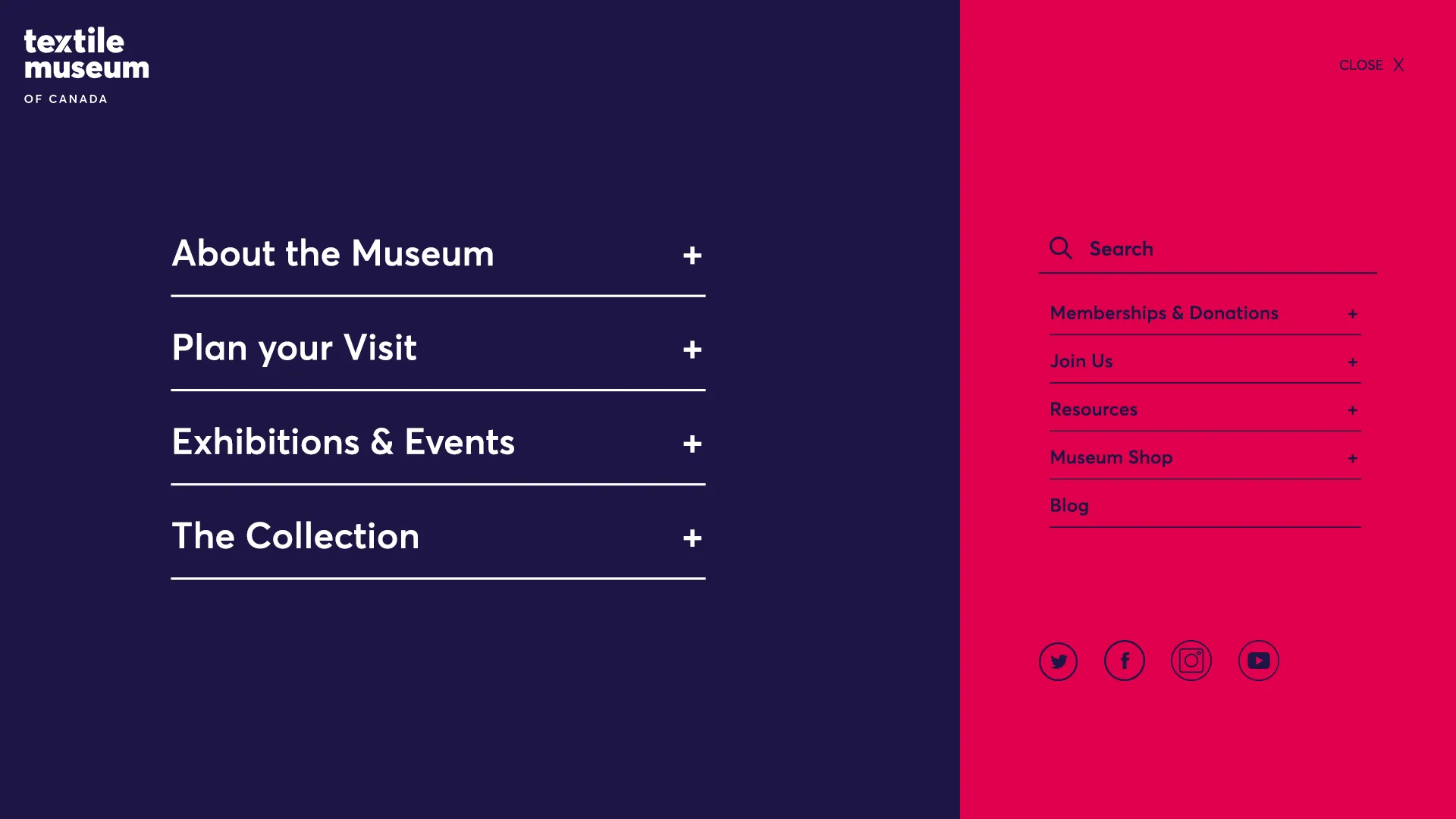
Click on the image to scroll through the menu in action.
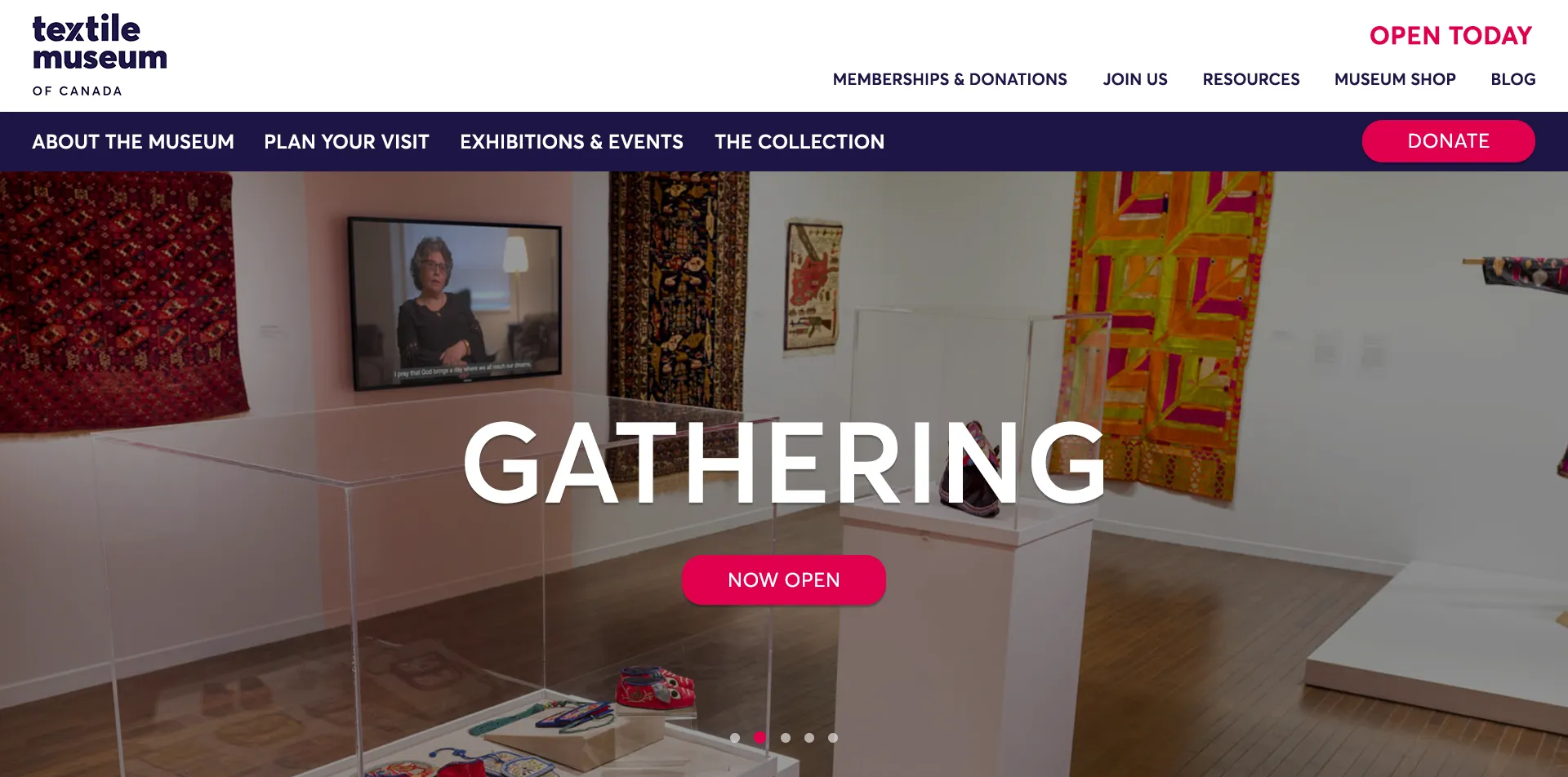
Our instructor noted our two-phased approach "stood out" among the groups presenting to the museum board. This was encouraging as we presented later in the schedule and they would have seen 15+ groups discuss their suggestions for revamping the IA.
We also provided stakeholders with a research summary handout before our presentation slot, allowing the board members to review findings and retain key takeaways.
We were "the first group" to study the current navigation in depth, identify why it wasn't accessible, and demonstrate how implementing IA and UI changes simultaneously could make it impossible to diagnose what improves or harms content discovery.
"Loved giving us multiple options; to give us a short-term solution, really thoughtful for our current situation."
-- Textile Museum Board CEO