
floating image button

Film and Video Production Solutions

Pitch Deck? Yes. PowerPoint? No. Website? Yes.

Our client, a Film Writer and Director, needed to walk into a room full of producers and sell his film. Assessing his requirements, to help him stand out, we suggested building his Pitch Deck as a website instead of a standard PPT.

My role was Solutions Design and Implementation

I was responsible for designing the prototype, ensuring the right content was created for the website, and developing the website.

Timeline

Jun 2021 – Aug 2021

Tools

Adobe CC (Content Design), Wix (Prototype)

Client

Unnamed Film Director [Due to Active NDA]

Built on

Custom Web Environment with JS-based Interactivity

Discovery Session

A PPT deck was doable; but was that all we could do? More importantly, was it what the situation necessitated?

What we knew after the Discovery Session was that giving him a PDF solved his cross-platform visual and formatting needs, but did not solve his need for atmospheric music.

What we proposed instead was a password-protected web application that solved his needs while letting us control pacing, interactivity, and presentation flow like a software demo.

How does this NOT insist upon itself?

Pre-COVID, for Indian commercial films, the traditional (and most common) primary pitch was narration to the lead actor, producer, and their representatives, while PPTs were supporting material, central only in streaming-platform pitches.
And here I was, recommending a Website!

Design Priorities and Feasibility

1

The content was under strict NDA, therefore the site needed a security layer before anything else could be considered.

2

The movie was a period-based Spy Drama inspired by titles like Man from U.N.C.L.E. and Argo, so the UI needed to visually reflect that tone and atmosphere.

3

The technical requirement was that the solution had to remain lightweight, cross-browser, and require almost nothing from the host device.

4

A CMS was ultimately rejected because the client had no intention of updating the site, making the added complexity unnecessary.

I opted for performance and convenience for the presenter. Every cut was a feasibility AND design decision.

Interaction Design

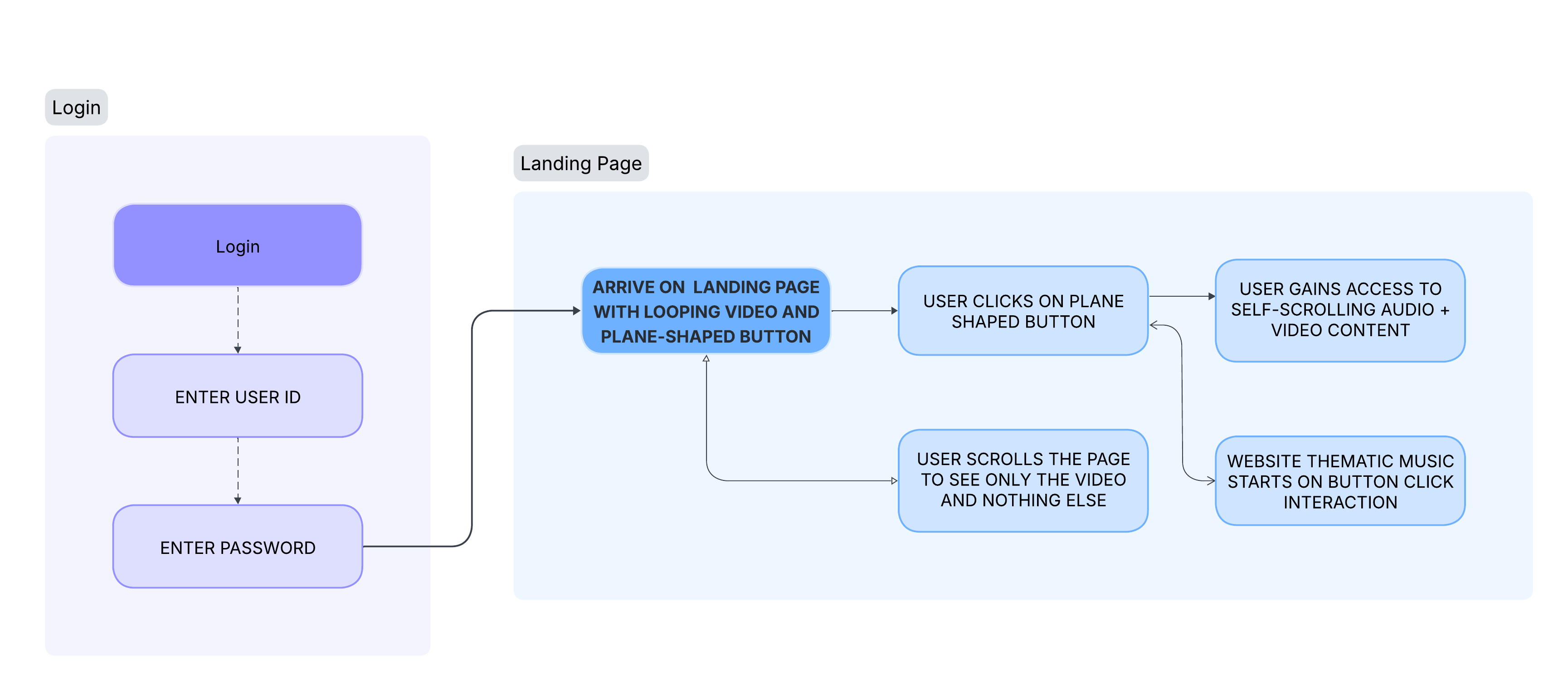
The experience opened on a password-protected screen, past which an invisible ink interaction revealed the full pitch. Audio triggered after this "reveal" interaction, not before; working within browser autoplay policies without breaking immersion.

1

Secure Entry Point: A password screen opened the experience. After entering, they were treated to a thematic invisible ink environment.

2

Thematic Reveal: A plane-shaped button triggered the score and unveiled the full pitch; music was tied to user action, not autoplay.

User Flow Diagram

User journey flow for a prospective investor arriving at the site.
Content Design

The visual system was built from redacted documents and retro typography.

Actual Video Used in Pitch Deck
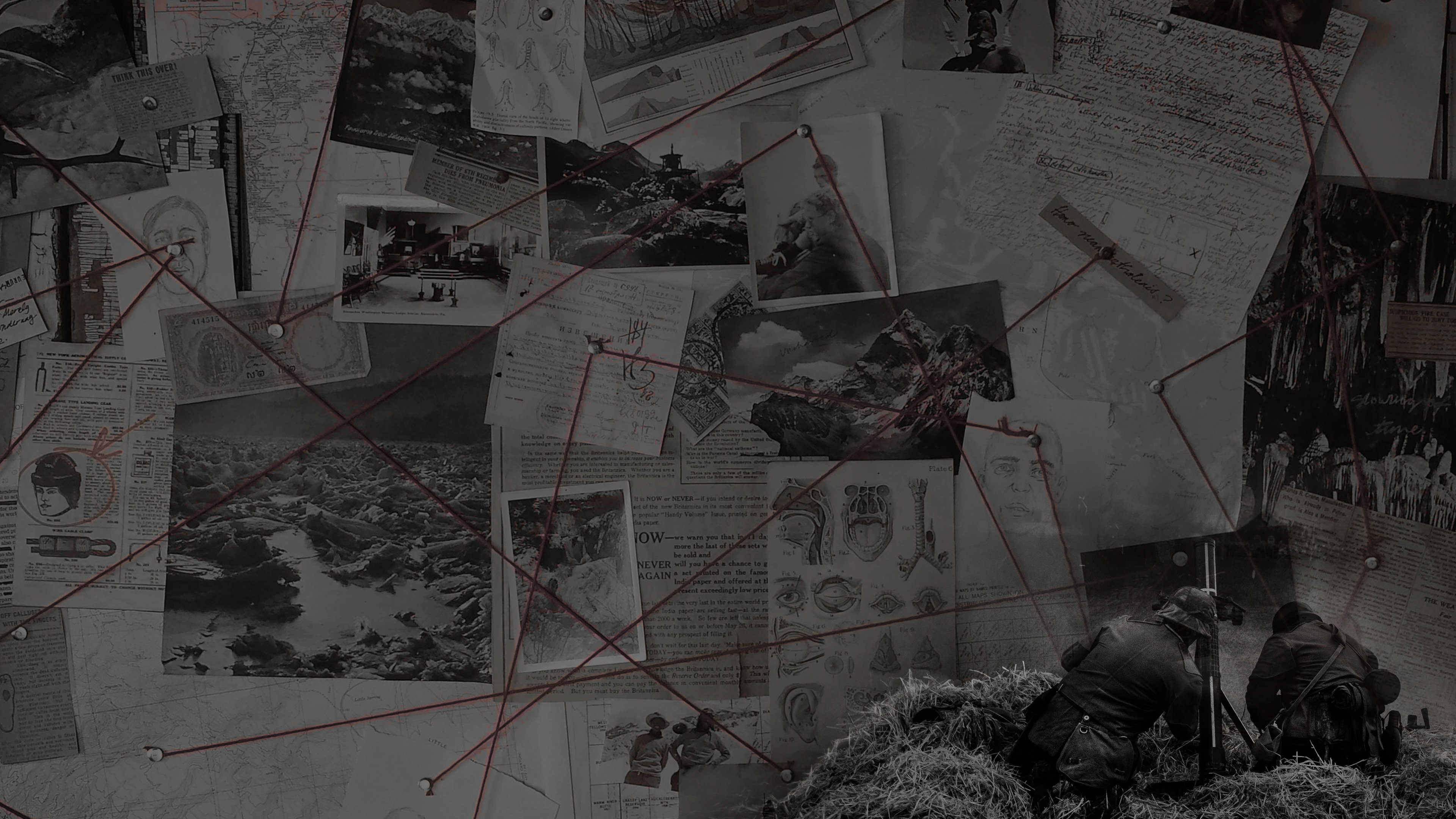
Actual Image used in Pitch Deck

Web Development

The transitions were handled in JavaScript, sequenced so that the atmospheric score landed with the content. The live link remains under NDA. A data-scrubbed low-fidelity prototype is available below.
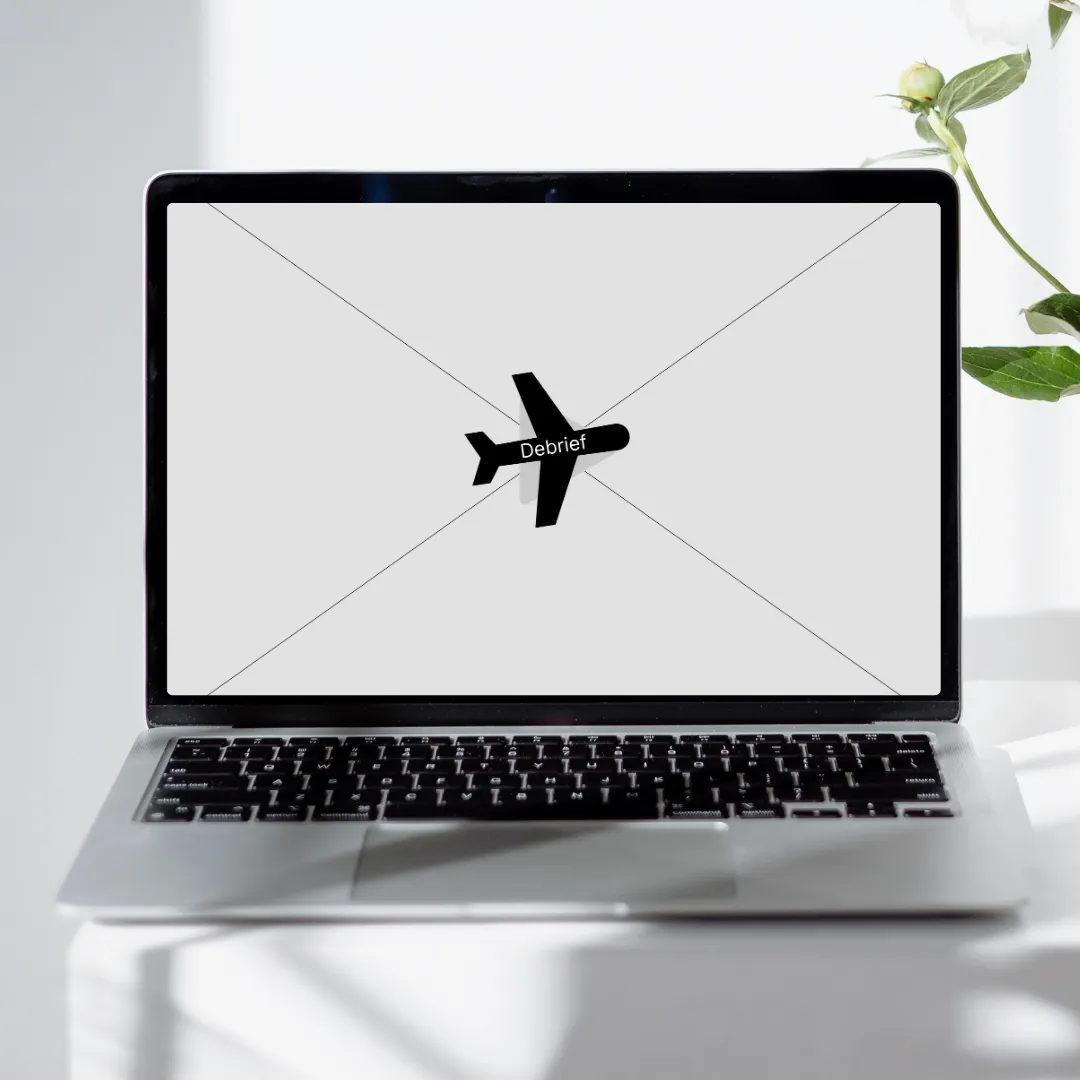
Low Fidelity Mockup

Screen recording of Actual Developed Site

What Happened After the pitch deck website was delivered?

Did the film get funded and made? No. This film did not get made, but the medium change decision worked out for all parties involved.
The production house was impressed enough that they brought him on for their future project slate. Two years later, one of those future projects came to me as a freelance opportunity. By this time, the same production house had already sent multiple projects down FIIP Studios' way.

What I Learned

The biggest technical problem on this project was engineering an audio-visual flow that respected browser autoplay restrictions without disrupting immersion. Solving it required understanding the policies well enough to work within them, not around them.
The broader lesson was that UX doesn't belong only to SaaS and e-commerce.
HCD principles like reducing cognitive load, controlling the user's journey, and designing for the actual environment not the assumed one, can work for any problem.
I believe they can be used in any room where someone needs to leave knowing they have a solution and the implementation will help them achieve their goals.