
floating image button

SOLUTIONS DESIGN

CLIENT WEB IMPLEMENTATION

CREATIVE PRODUCTION

PITCH DESIGN

The Pitch That Outlasted the Film It Was For

A film director needed to raise capital in a market where newcomers were being turned away on professionalism grounds. He asked for a pitch deck; FIIP Studios called for a different medium, assessed feasibility, built the system, and made it into a pitch deck website.

Client

Unnamed Film Director [NDA]

Timeline

Jun - Aug 2021

Role

Solutions Designer

People Impacted

Film Directors
Production Houses

Discovery Session

A PPT Deck was doable; but the use case made it obsolete.

We surfaced the real requirements: the director wasn't emailing this. He was presenting it live, in a room, across multiple laptops and a projector. The pitch had a bakground score. The atmosphere was as crucial as the content.

What we knew after our Discovery Session: A PDF solved the cross-platform visual problem; It didn't solve the music. A PowerPoint solved neither.

What I proposed: A password-protected web application solved both and added this to the mix: interactivity and pacing. The investor would be guided, the way a software demo works.

How I reasoned was that the medium wasn't simply a creative upgrade. It was the only technically correct answer.

User Flow

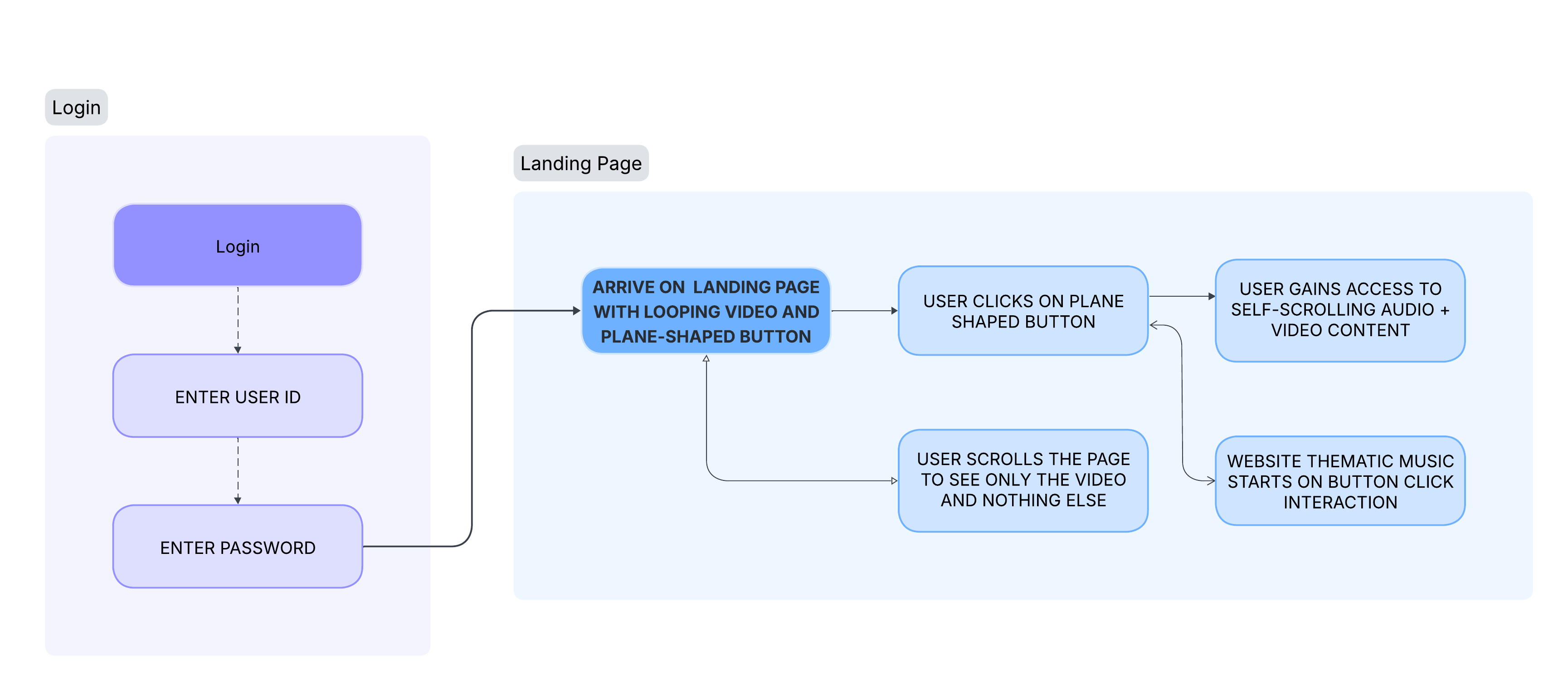
To maintain exclusivity (a key psychological driver for investors), the site begins with a secure login, leading into an "invisible ink" environment.

Step 1: Build Secure Entry Point: A password screen opened the experience. Investors authenticated before seeing anything.

Step 2: Create Cinematic Reveal: A plane-shaped button triggered the score and unveiled the full pitch; music was tied to user action, not autoplay (this is a browser technical constraint).

Fig 1. "To-Be" workflow: User journey flow for the pitch web experience: login to reveal sequence.

Video Used in Pitch deck

Image used in Pitch Deck

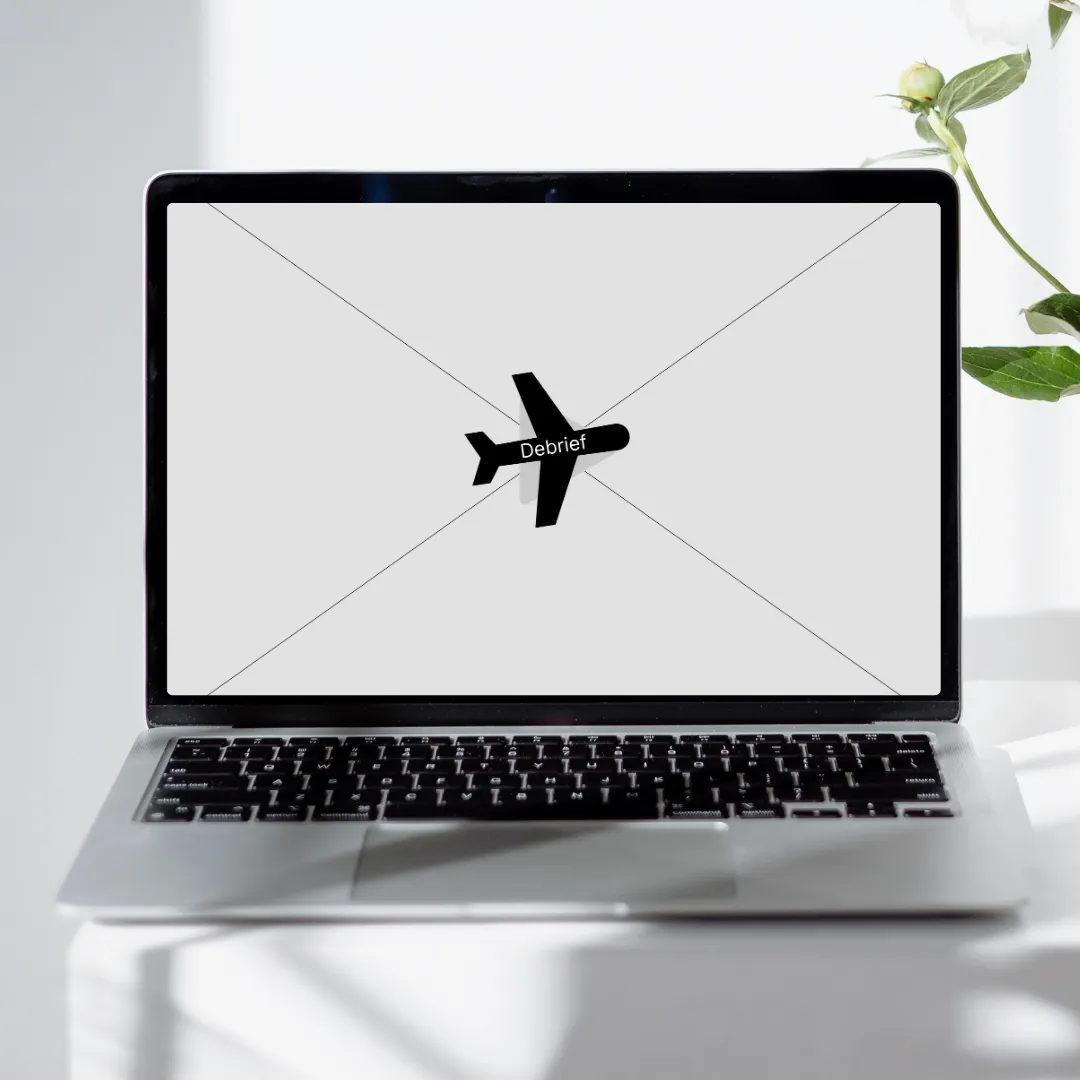
Low Fidelity Mockup

Screen recording of Actual Developed Site

Result

Did the film get funded and made? No. But the pitch created multiple partnerships.

The director's project didn't get funded: the film's plot itself had problems that no format could solve. But the production house was impressed enough by how he showed up that they brought him on for their future project slate.

2 years later, after I had left FIIP Studios, one of those future projects came to me directly as a freelance pitch deck request. The production house had already sent multiple projects down FIIP Studios' way.

This is what the project actually achieved. It wasn't to fund one film, but to demonstrate that a newcomer director and by extension the startup agency/studio behind his materials, operated at a different standard.

Most Indian video production startups/studios were typecasted as inexpensive post-production finishing houses that did CG and rotoscoping work. This was evidence that FIIP Studios shouldn't be.

What I learned

The biggest technical problem on this project was engineering an audio-visual flow that respected browser autoplay restrictions without disrupting immersion. Solving it required understanding the policies well enough to work within them, not around them.
The broader lesson was that UX doesn't belong only to SaaS and e-commerce. HCD Principles like reducing cognitive load, controlling the user's journey, and designing for the actual environment not the assumed one, can work for any problem. I believe they can be used in any room where someone needs to leave knowing they have a solution and the implementation will help them acheieve their goals.
There is one unresolved question this project left me with: is the new generation professionalism problem in any industry actually an image problem? And how many gatekeepers would lower the bar if the work simply looked like it belonged?